

Which Launch Monitor Metrics Matter Most? 6 Key Golf Metrics to Track
Posted: October 5, 2026
Which Launch Monitor Metrics Matter Most? 6 Key Golf Metrics to Track
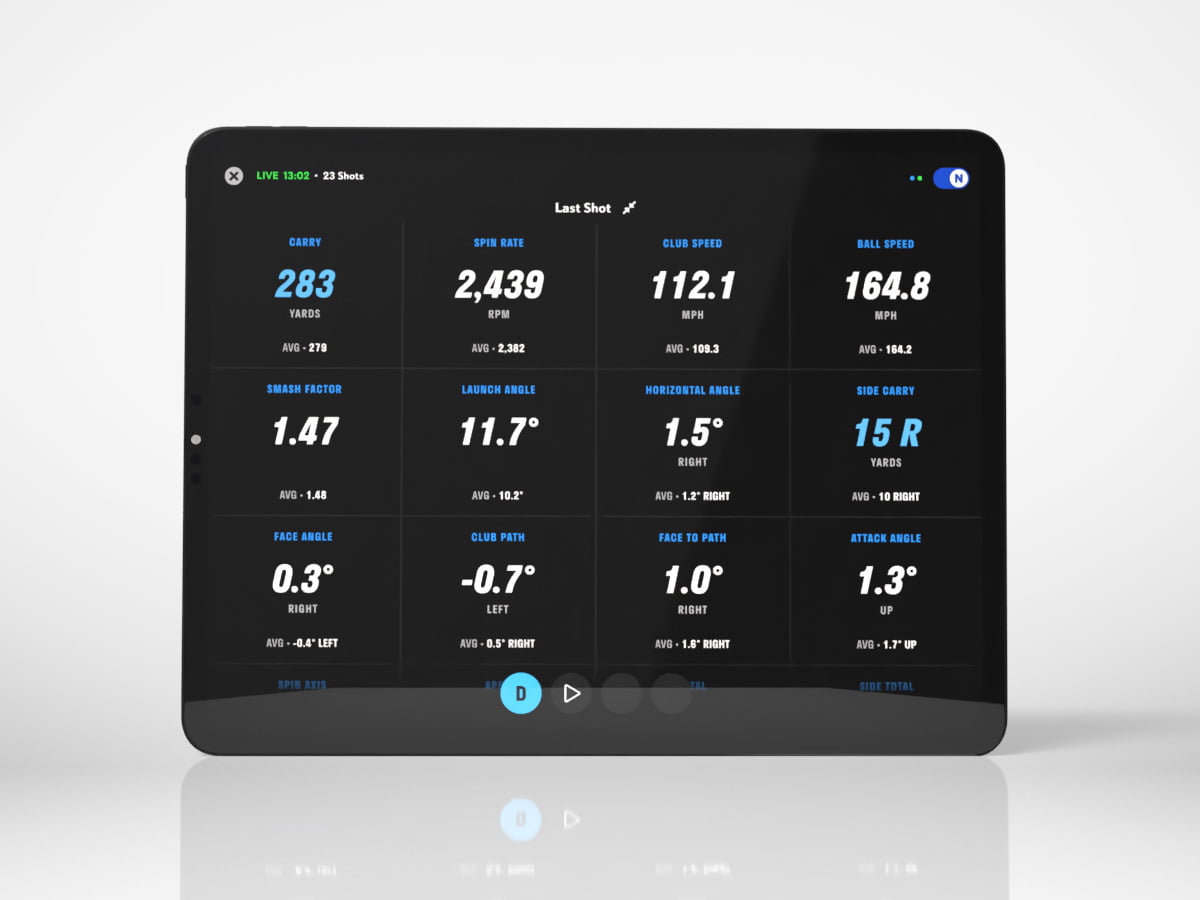
Golf launch monitors can provide a lot of data. Ball speed, club speed, spin rate, launch angle, carry distance, dispersion—the list goes on.
But you don’t need to focus on every number at once to get more out of your practice.
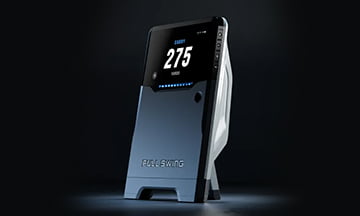
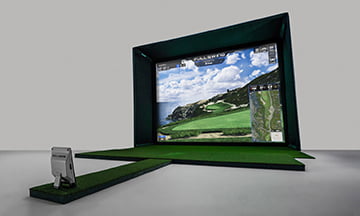
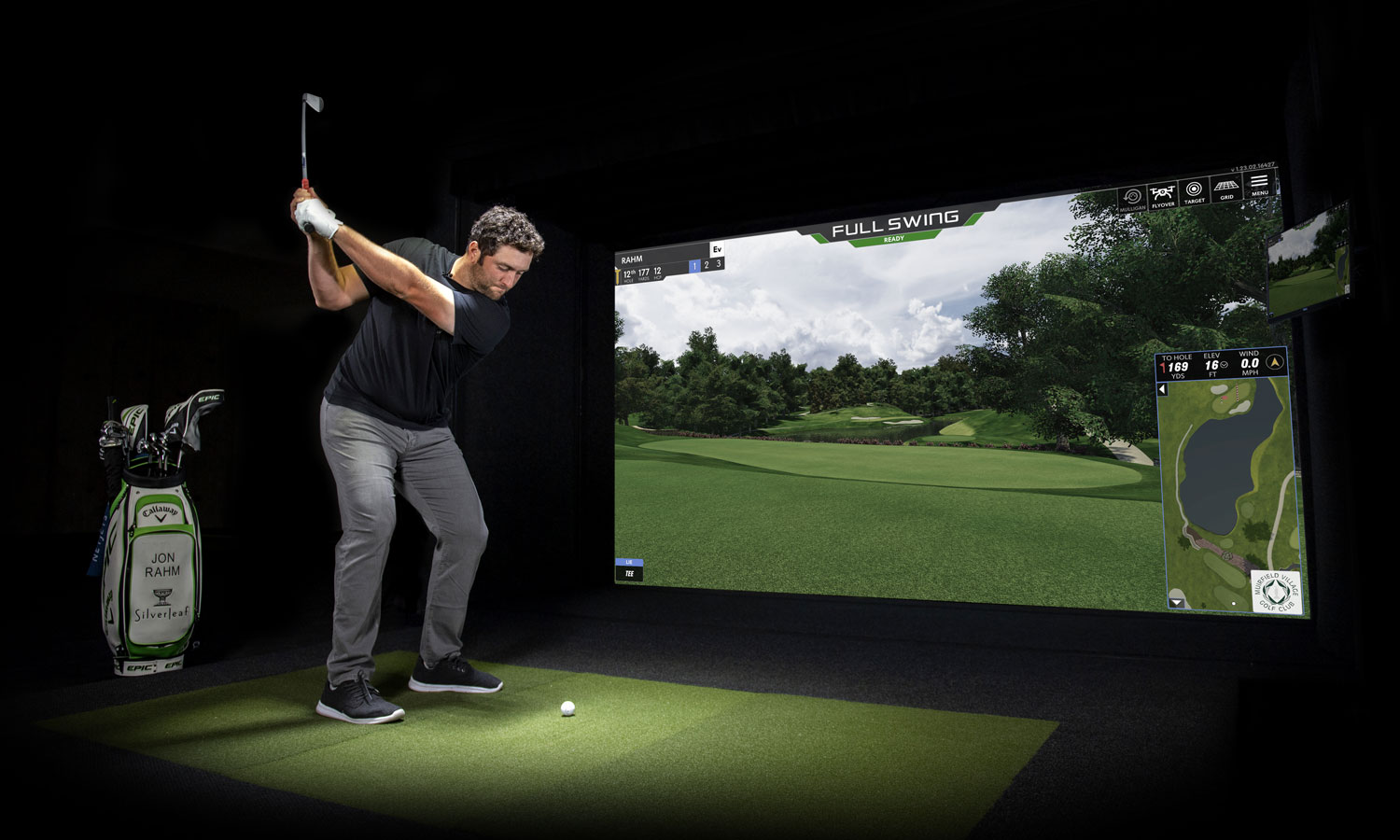
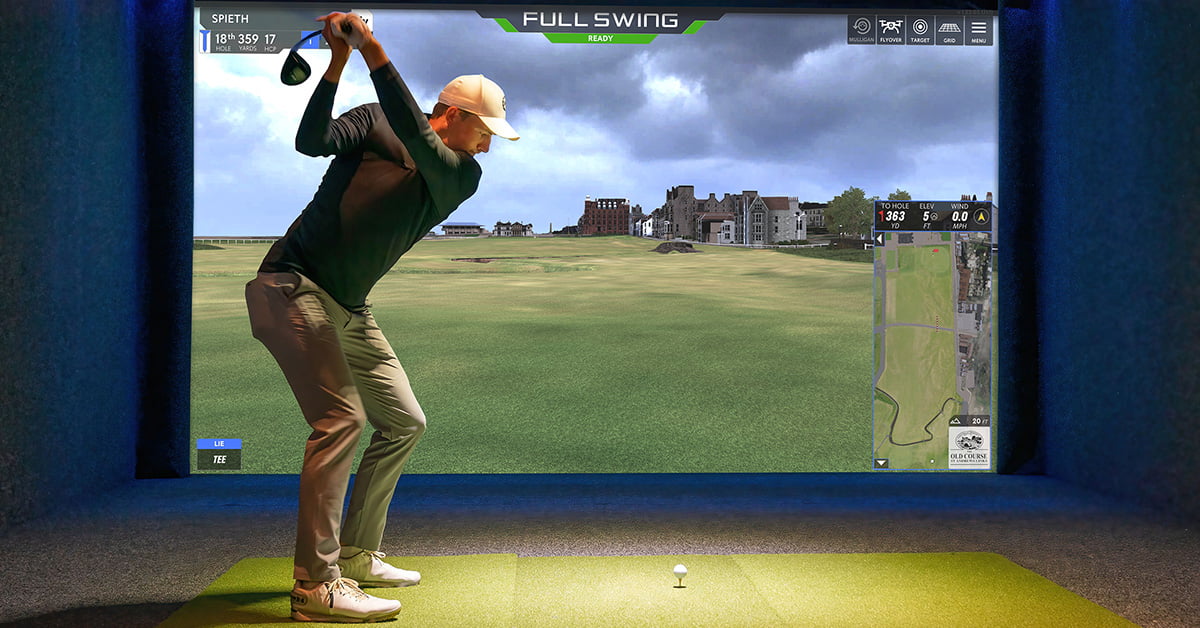
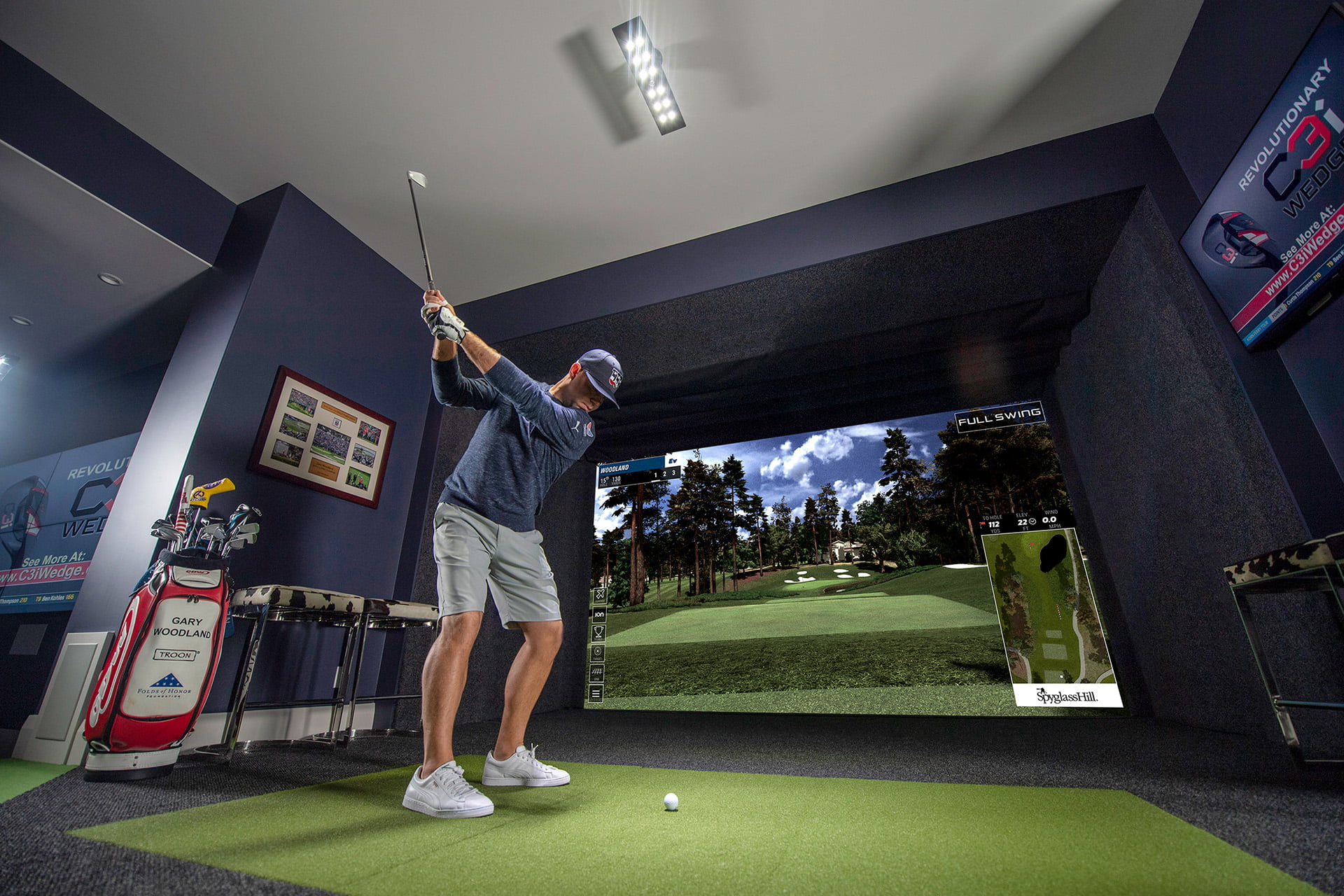
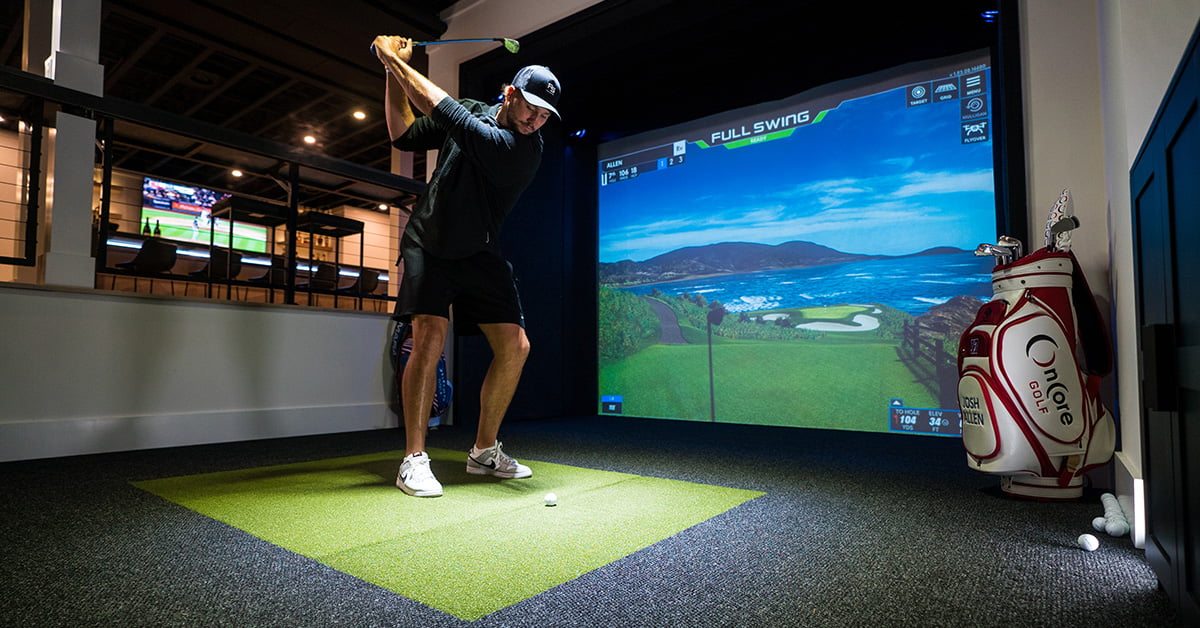
With a launch monitor like the Full Swing KIT, focusing on a few key metrics can help you better understand your ball flight, measure progress, and practice with more purpose.
Here are six launch monitor metrics every golfer should understand.
1. Carry Distance
What it is: How far the golf ball travels through the air before it lands.
Why it matters: Knowing your true carry distances helps you choose the right club, understand your yardage gaps, and confidently carry hazards or reach targets.
How to use it: Hit multiple shots with each club and focus on your typical carry—not just your longest shot. Use those numbers to build a reliable distance chart for your bag.
2. Ball Speed
What it is: How fast the golf ball is traveling immediately after impact.
Why it matters: Ball speed is a strong indicator of strike quality and how efficiently you’re transferring energy to the golf ball.
How to use it: Compare ball speed across similar swings. If club speed stays consistent while ball speed increases, you’re likely making more efficient contact.
3. Club Speed
What it is: How fast the clubhead is moving around impact.
Why it matters: Club speed provides a measurable benchmark for golfers working on speed, distance, or swing efficiency.
How to use it: Track club speed during speed training or swing changes to see whether your work is actually producing measurable gains.
4. Spin Rate
What it is: How quickly the golf ball is rotating after impact, measured in revolutions per minute (RPM).
Why it matters: Spin influences trajectory, carry distance, control, and how the ball reacts when it lands.
How to use it: Spin goals vary by club, but a helpful rule of thumb for irons is roughly 1,000 RPM multiplied by the club number—for example, around 7,000 RPM with a 7-iron. With wedges, higher spin helps maximize control and stopping power, while with the driver, lower spin can help optimize distance by getting the most out of both carry and roll.
5. Launch Angle
What it is: The vertical angle at which the golf ball leaves the clubface after impact.
Why it matters: Launch angle works together with ball speed and spin rate to determine trajectory and distance.
How to use it: Compare launch angle across shots to identify patterns and see how swing or equipment changes affect your ball flight.
6. Shot Dispersion
What it is: The overall pattern of where a group of shots finishes relative to your target.
Why it matters: Your longest shot doesn’t tell the whole story. Dispersion shows how consistently you’re hitting your target and where your common misses are.
How to use it: Hit a group of shots toward the same target and look at the overall pattern. Use it to identify tendencies, evaluate consistency, and make smarter decisions on the course.
Don’t Get Lost in the Data
The goal of using a golf launch monitor isn’t to chase every number on the screen. It’s to understand which data can help answer the questions you have about your game.
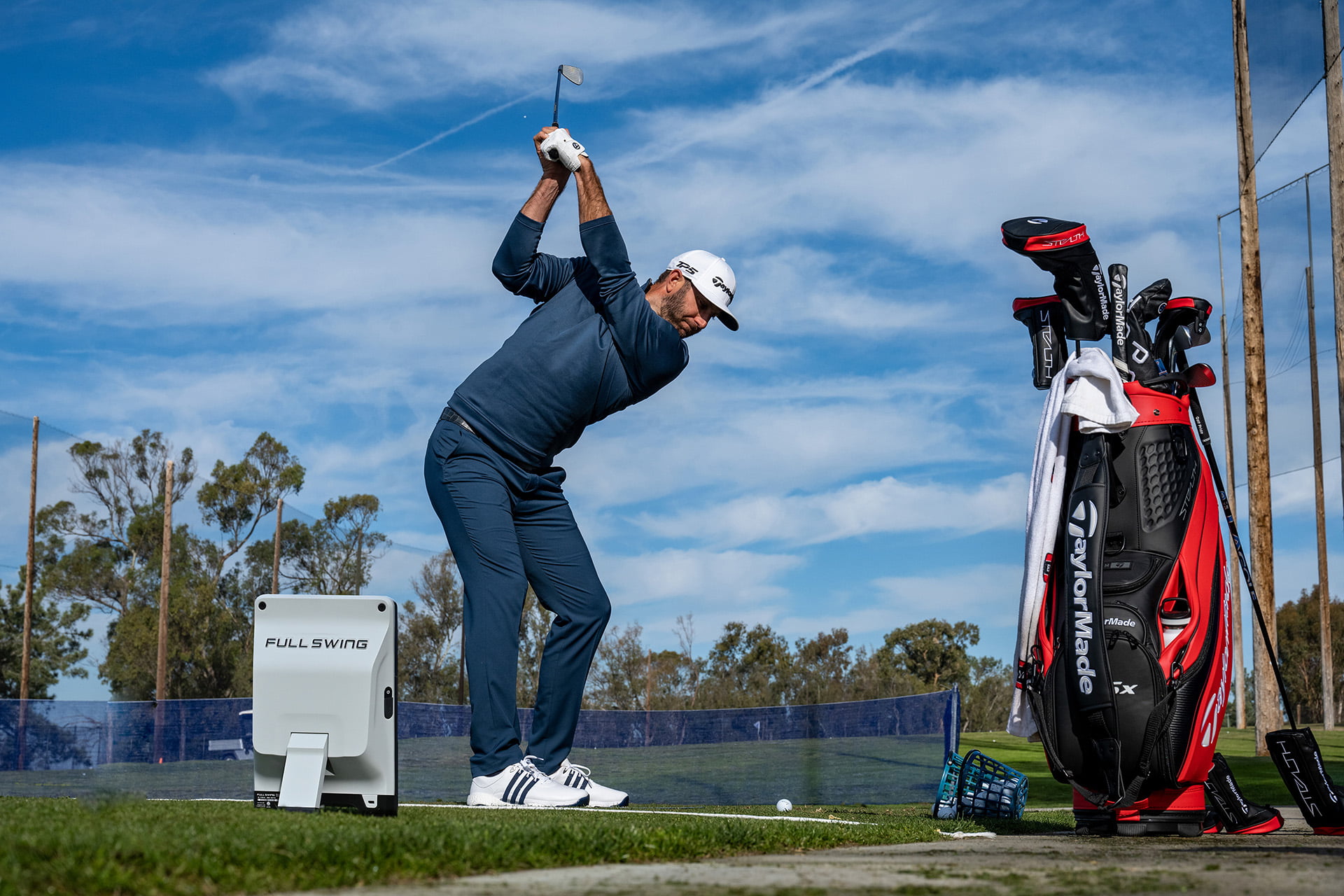
With a Full Swing KIT launch monitor, golfers can measure 16 points of club and ball data alongside high-resolution video replay, helping connect the numbers from every shot to the swing that produced them.
Start with the metrics that matter most to what you’re working on, track them over time, and turn every practice session into measurable progress.